
Abu Mena Archaeological Site
Abu Mena is a UNESCO-listed early Christian pilgrimage city south of Alexandria, built around the tomb of Saint Menas and known for its basilicas, baptistery, monasteries and pilgrim facilities.
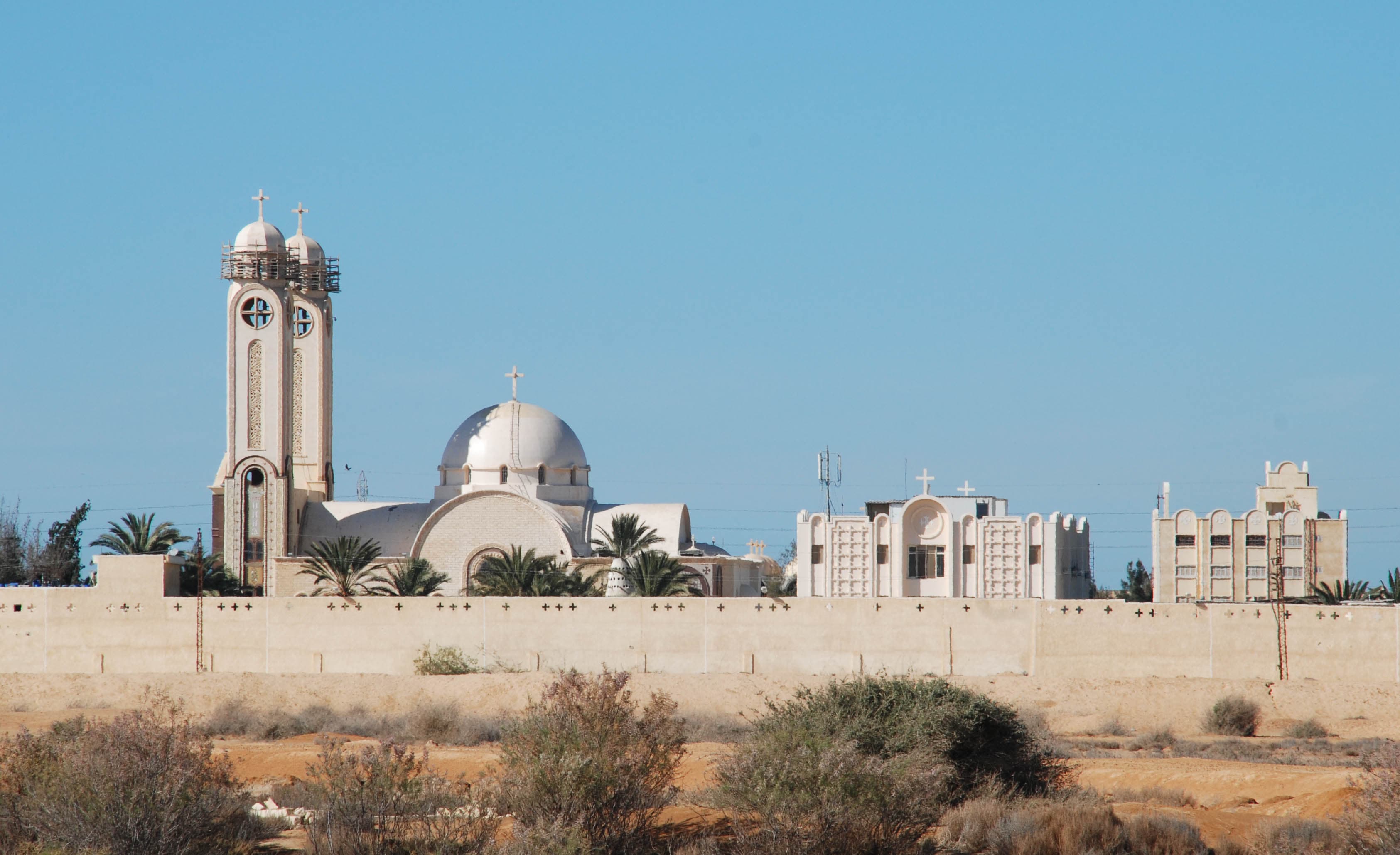
Historical Overview
Abu Mena developed as one of the most important early Christian pilgrimage centres in Egypt. The settlement grew around the tomb of Saint Menas of Alexandria, whose cult attracted pilgrims by the late fourth century. Over time the site expanded into a substantial religious and urban complex containing churches, basilicas, a baptistery, monasteries, streets, houses, workshops, baths and buildings that served visiting pilgrims. UNESCO inscribed Abu Mena on the World Heritage List in 1979 because the surviving archaeological landscape preserves an exceptional example of an early Christian holy city and pilgrimage centre. The remains also show how religious, residential and service spaces were combined in a settlement whose importance extended far beyond the immediate Alexandria region. Conservation has been a major issue because rising groundwater threatened the archaeological remains; UNESCO removed Abu Mena from the List of World Heritage in Danger in 2025 after the required conservation milestone was achieved, while continued monitoring and maintenance remain important.
Why Visit?
Visit Abu Mena for one of Egypt’s most significant early Christian archaeological landscapes, especially if you are interested in Coptic history, pilgrimage architecture or UNESCO World Heritage beyond central Alexandria.
What to See
- Tomb of Saint Menas
- Great Basilica
- Baptistery
- Pilgrims complex
Getting There
Destination
موقع أبو مينا الأثري
من فضلك وديني موقع أبو مينا الأثري
Media Gallery
Abu Mena archaeological site
Good to Know
Audience Fit
Historical Timeline
Associated Periods
Lifecycle Highlights
تأسس مركز أبو مينا المسيحي حول ضريح القديس مينا في القرن الرابع الميلادي.
تطور أبو مينا بوصفه مركزًا للحج المسيحي المبكر من القرن الخامس إلى القرن السابع الميلادي.
تسجل اليونسكو حفائر كاوفمان في أبو مينا سنة 1905.