
Roman Odeon / Roman Theatre
Discover the Roman Odeon in Alexandria, a stunning 2nd-century amphitheater showcasing ancient architectural brilliance and rich history.
Historical Overview
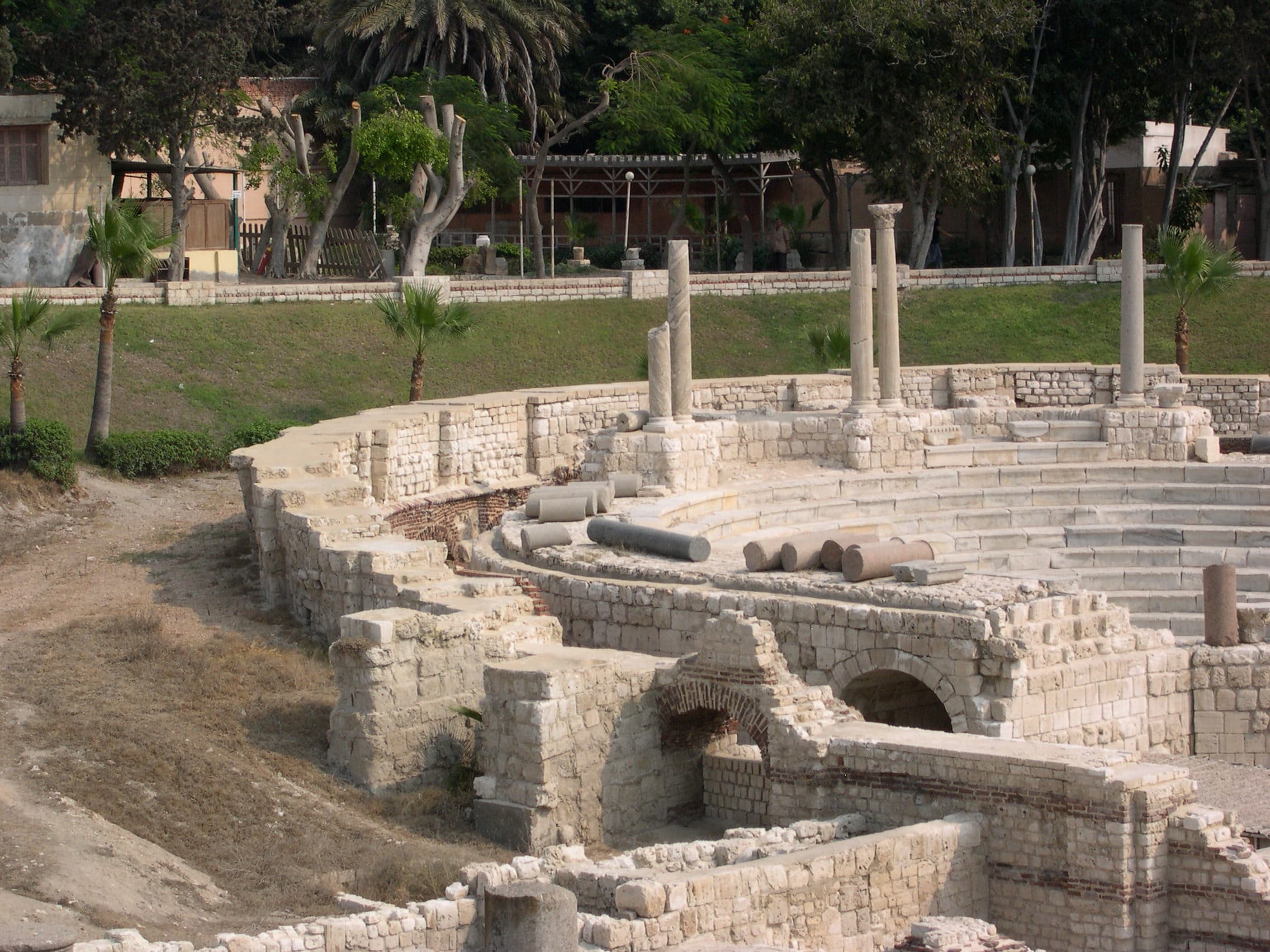
The Roman Odeon, constructed in the 2nd century AD during the reign of Emperor Hadrian, is a remarkable testament to Alexandria's rich cultural heritage. Initially designed as a venue for music and theatrical performances, this semi-circular amphitheater could accommodate around 800 spectators and features an impressive array of marble seating, intricate mosaics, and a well-preserved stage area. The Odeon stands as a symbol of the melding of Roman and Greek cultures, showcasing the city's role as a vital hub of commerce and intellectual exchange in the ancient world. Historically, the Roman Odeon served not only as a performance space but also as a gathering place for social and political events, reflecting the vibrant life of Alexandria during the height of the Roman Empire. Its construction highlights the advanced engineering skills of the time, with its unique acoustics allowing for optimal sound distribution throughout the venue. The Odeon is often overshadowed by the more famous sites of Alexandria, yet it offers a captivating glimpse into the city's artistic past and the influence of Roman architecture on urban planning. For modern visitors, the Roman Odeon is located in the heart of Alexandria and is easily accessible via local transportation. The site is part of the larger archaeological complex that includes the nearby Catacombs of Kom El Shoqafa and the Pompey’s Pillar, making it a perfect stop for history enthusiasts. Visitors can explore the ruins, admire the intricate details of the remaining structures, and attend occasional cultural events held in the amphitheater, making it a unique experience that bridges the past with contemporary life in one of Egypt's most storied cities. Visitor planning: Visit as part of Kom el-Dikka rather than as a separate trip. Plan roughly 15 to 35 minutes for the visit. The current planning record recommends morning as a practical time of day. Expected physical effort is low. Heat exposure is recorded as medium. The recorded recommended transport mode is taxi or ride hail. The current record indicates that admission or an arranged ticket is required; confirm the current terms before visiting. The recorded ticket model is parent ticket. Ticket data status is inherited from parent ticket; reconfirm variable or unverified charges before travel. Visitor access is currently recorded as parent access. Operational confidence is recorded as high. Visitor planning: Visit as part of Kom el-Dikka rather than as a separate trip. Plan roughly 15 to 35 minutes for the visit. The current planning record recommends morning as a practical time of day. Expected physical effort is low. Heat exposure is recorded as medium. The recorded recommended transport mode is taxi or ride hail. The current record indicates that admission or an arranged ticket is required; confirm the current terms before visiting. The recorded ticket model is parent ticket. Ticket data status is inherited from parent ticket; reconfirm variable or unverified charges before travel. Visitor access is currently recorded as parent access. Operational confidence is recorded as high.
Getting There
Destination
المسرح الروماني / الأوديون
من فضلك وديني المسرح الروماني / الأوديون
Media Gallery
Roman theatre / odeon at Kom el-Dikka, viewed from the north