
Tomb of Seti I (KV17)
KV17, the tomb of Seti I, is among the longest, deepest and most richly decorated royal tombs in the Valley of the Kings, with extensive funerary texts and astronomical imagery.
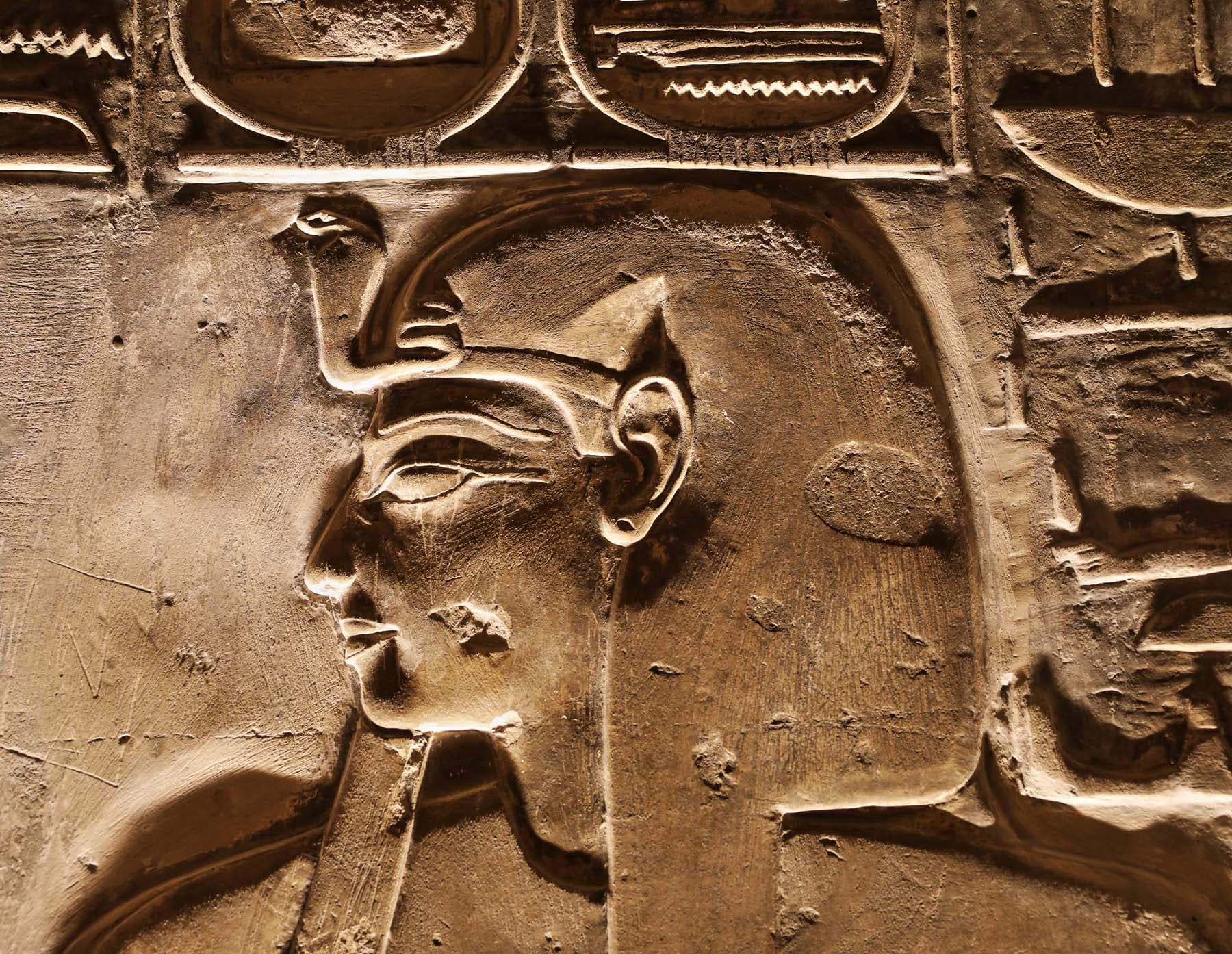
Historical Overview
The tomb of Seti I, KV17, is one of the great masterpieces of the Valley of the Kings. Seti I was the second ruler of Egypt’s Nineteenth Dynasty and the father of Ramesses II. His tomb is exceptionally long and deep, and it was the first royal tomb in the valley whose decoration covered the monument so extensively. Painted and carved scenes preserve major funerary compositions including the Litany of Re, the Amduat, the Book of Gates and the Book of the Divine Cow. The burial chamber is especially famous for its vaulted ceiling decorated with astronomical imagery that evokes the night sky. Architecturally, the tomb uses the jogged-axis plan typical of its period and contains a further descending passage from the burial chamber, a feature that has generated considerable discussion about ritual meaning. Because the decoration is both extensive and unusually well preserved, KV17 is a premium visit rather than simply another tomb in the standard Valley of the Kings rotation.
Why Visit?
KV17 is one of the best choices for visitors who want to see the full visual ambition of a New Kingdom royal tomb: long decorated corridors, major funerary books and a celebrated astronomical ceiling.
What to See
- Fully decorated corridors
- Astronomical burial-chamber ceiling
- Funerary books
Getting There
Destination
مقبرة سيتي الأول KV17
من فضلك وديني مقبرة سيتي الأول KV17
Media Gallery
Tomb of Seti I (KV17)
Good to Know
Visitor Warnings
- Heat: High heat and sun exposure for much of the year; start early, carry water and use sun protection.
- Difficult terrain: Some tombs involve steep ramps, stairs, low passages or uneven floors; choose tombs according to mobility and heat tolerance.