
Eastern Harbour Historic Landscape
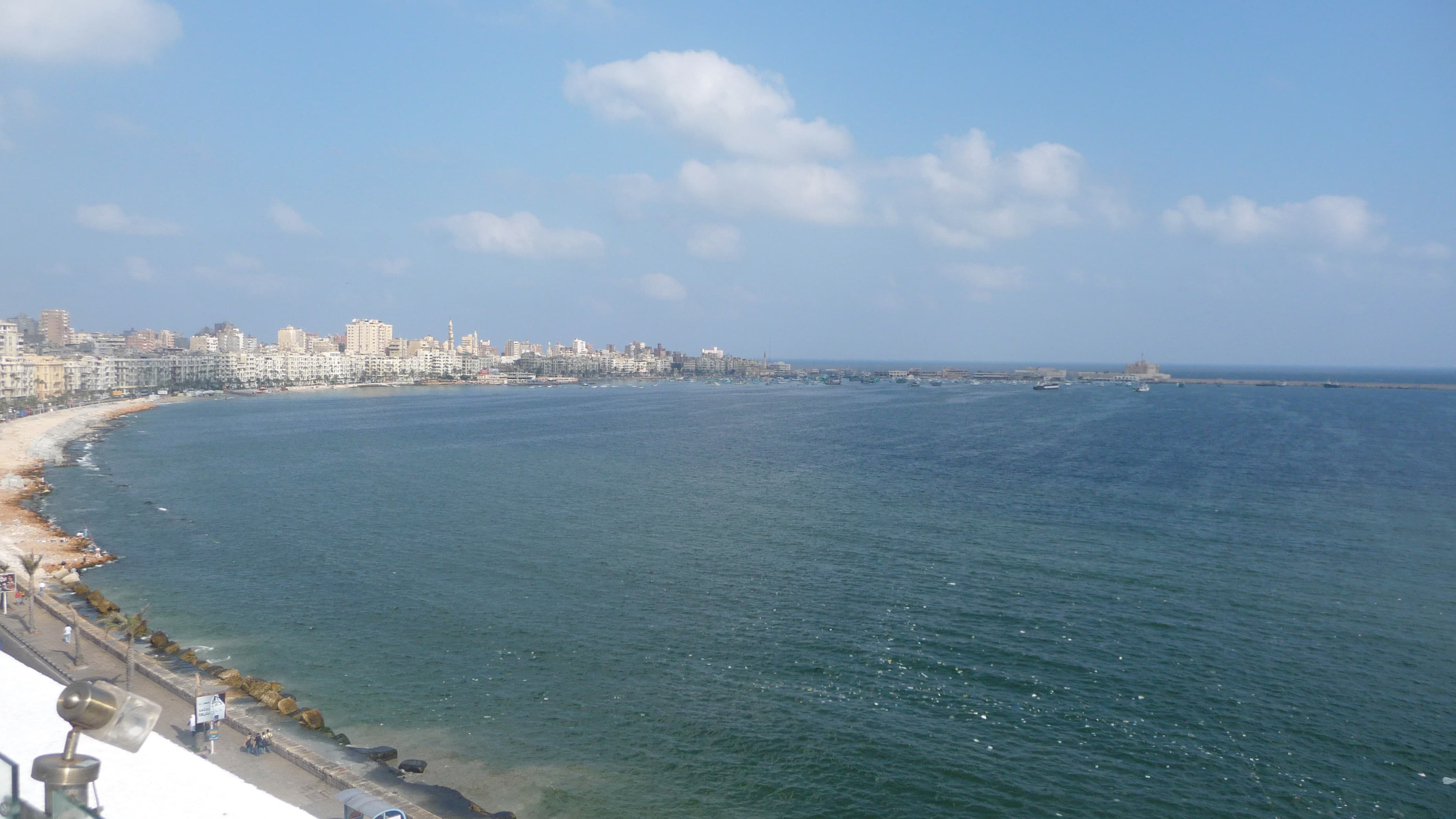
Historic eastern harbour landscape of Alexandria, shaped from the Hellenistic city through later medieval and modern phases.
Historical Overview
Alexandria’s Eastern Harbour occupies part of the ancient maritime setting of the city founded in 331 BCE. Its importance developed through the Ptolemaic and Roman eras and continued to change in medieval and modern Alexandria. Qaitbay Citadel, added in the late 15th century at the harbour entrance, is a much later layer and should not be used to date the harbour itself. Visitor planning: Plan this stop together with nearby attractions in the same Alexandria cluster whenever possible. This attraction forms part of Alexandria Historic & Archaeological Landscape. Parent-site context: Explore the rich tapestry of Alexandria's Historic & Archaeological Landscape, where ancient wonders meet vibrant modern culture. The Alexandria Historic & Archaeological Landscape, founded by Alexander the Great in 331 BC, showcases the city's illustrious past as a hub of knowledge and culture. Home to the legendary Library of Alexandria and the Pharos Lighthouse, one of the Seven Wonders of the Ancient World, this area offers a glimpse into the brilliance that defined Hellenistic civilization. The city flourished under the Ptolemies, who commissioned grand structures that blended Greek and Egyptian architectural styles, leaving a lasting legacy that continues to fascinate historians and travelers alike. Today, visitors can explore significant archaeological sites such as the Catacombs of Kom el Shoqafa, which date back to the 2nd century AD and reveal the unique burial practices where Roman, Greek, and Egyptian traditions converged. Additionally, the Citadel of Qaitbay, built in the 15th century on the site of the ancient lighthouse, stands as a testament to Alexandria's enduring strategic importance throughou Plan roughly 30 to 90 minutes for this component. The recorded recommended transport mode is taxi or ride hail.
Getting There
Destination
الميناء الشرقي التاريخي
من فضلك وديني الميناء الشرقي التاريخي
Media Gallery
Eastern Harbour of Alexandria.
Good to Know
Audience Fit
Brief Historical Overview
Egypt, a cornerstone of ancient civilization, is renowned for its impressive monuments and rich history that spans over 5,000 years. The land of the Pharaohs is home to the majestic pyramids, the Great Sphinx, and numerous temples and tombs that offer a glimpse into the past glories of ancient Egypt. These historical sites are a testament to the architectural and cultural achievements of a bygone era.
Practical Travel Intelligence
Ticket Insights
Entry fees to major attractions like the pyramids complex and museums can vary, often ranging from $5 to $20 USD. It's advisable to purchase tickets online where available to avoid long waits and potential price hikes.
Hidden Costs
Be mindful of additional fees for photography inside certain sites. Guided tours, though optional, come at a premium but can enrich your experience with detailed insights.
Best Times to Visit
The most favorable time to explore Egypt is from October to April when the temperatures are more moderate. Avoid visiting during the peak summer months of June to August, as the heat can be intense.
Mobility/Accessibility Tips
While most larger sites have made efforts to accommodate travelers with disabilities, not all areas are easily accessible. Renting a private vehicle or hiring a guide who can navigate these challenges is recommended.
Scams to Avoid
Stay vigilant against common scams targeting tourists, such as inflated taxi fares or faux 'guides' offering unsolicited services. Always verify any service with official sources and consider using apps for ride-hailing to ensure fair pricing.